

Best Puck Screens For Cleaner Espresso
🏆 Top Picks at a Glance
 #1
Product listing
MHW-3BOMBER 58.5mm Espresso Puck Screen, 0.8mm Dual-Layer Stainless Steel Filter, Even Extraction & Cleaner Group Head, Fits 58mm Portafilter Basket, FG5590
Check Price
 #2
Product listing
Normcore 53.3mm Puck Screen - Lower Shower Screen - Metal Contact Screen for Espresso 54mm Portafilter Filter Basket - 1.7mm Thickness 150μm - 316 Stainless Steel
Check Price
 #3
Product listing
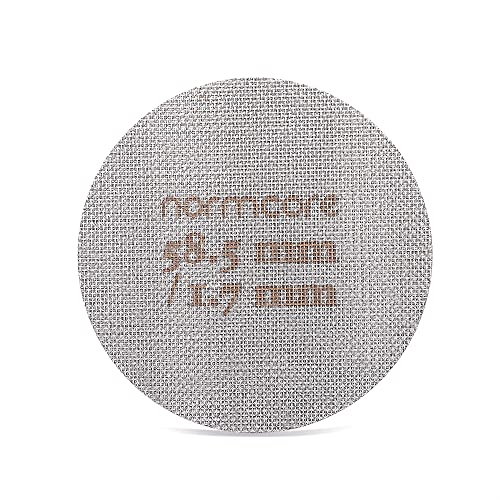
Normcore 58.5mm Puck Screen - Lower Shower Screen - Metal Coffee Reusable Filter for Espresso Portafilter Filter Basket 58mm - 1.7mm Thickness 150μm - 316 Stainless Steel
Check Price
Puck screens sit between the coffee bed and the group head, so the key buying decisions are diameter, thickness, material, layer construction, pack size, and basket fit. This roundup compares Normcore’s 1.7mm 316 stainless screens with MHW-3BOMBER’s 0.8mm dual-layer screens and a 0.2mm ultra-thin option across 58.5mm, 54mm, and 53–53.3mm baskets. The thinner 0.2mm screen and the two- and three-pack options provide clear alternatives for shoppers prioritizing a low-profile design or extra units. The “Best” labels identify differences in the listed specifications and intended fit, not guaranteed improvements in extraction, channeling, or group-head cleanliness.
⚡ Quick Answer: Best Puck Screens
Best 54mm 1.7mm Stainless Screen: Normcore 53.3mm Puck Screen - Lower Shower Screen - Metal Contact Screen for Espresso 54mm Portafilter Filter Basket - 1.7mm Thickness 150μm - 316 Stainless Steel
Table of Contents
Main Points
- Match the screen to the basket, not just the portafilter label. The 58.5mm Normcore and MHW-3BOMBER screens target 58mm baskets; the 54mm MHW model is specified for 54mm baskets; and the 53mm and 53.3mm options target smaller baskets. Measure the usable inside diameter and check headspace before assuming every “54mm” setup accepts a 53.3mm screen. A basket-fit source identifies basket diameter and hole-pattern matching as primary factors, while the Effects of a puck screen on extraction study used specific 20g baskets rather than every basket design.
- Choose thickness according to headroom and cleaning priorities. The 1.7mm, 150μm Normcore models align more closely with thicker perforated-screen designs, while the 0.8mm MHW-3BOMBER screens and 0.2mm 316 stainless two-pack leave more room above the puck. The Espresso Puck Screen Guide: Usage and Benefits lists approximately 0.5–1.0mm mesh screens at $8–15 and 3–8g, versus 1.0–1.7mm perforated screens at $15–30 and 10–20g; thinner is not automatically better if the disc flexes or fails to sit flat.
- Do not confuse a puck screen with a calibrated or standard tamper. Tamp-pressure consistency still comes from distribution and the tamper, while these screens provide no handle ergonomics; stainless or metal construction is the relevant comparison here, not handle material. Prioritize a rigid, flat, burr-free disc that sits flush over the puck rather than one that rocks, buckles, or consumes too much headspace.
- Expect cleaner puck contact, not a guaranteed extraction revolution. Puck screens are intended to break up concentrated water streams, redistribute pressure, and reduce surface erosion. One source reports approximately 40% less channeling, average extraction yield rising from about 18% to 21%, and roughly 35% lower TDS variance, but its test results are not a universal promise. A published protocol used a fixed 19.0g dose, 1:2.0 ratio, 90°C profile, 2.5-bar bloom exit, and 7.5-bar maximum pressure, while the Espresso Puck Screen Guide: Usage and Benefits rates extraction and channeling support as moderate and notes that a screen can add workflow complexity with a possible slight yield penalty.
- Compare the smaller-basket options by specifications and pack count. The 53mm 0.2mm 316 stainless two-pack is the thinnest option; the 53.3mm 1.7mm, 150μm two-pack is the thicker two-pack; and the HOUTRIDA 53.3mm, 150μm three-pack offers the most spares. Typical puck-screen pricing is about $10–30 overall, so the “best” choice is a fit, thickness, construction, and replacement-workflow decision rather than a blanket claim about extraction or cleaning.
Our Top Picks
Affiliate disclosure: if you buy through these links, we may earn a commission at no extra cost to you.
Factors to Consider
Frequently Asked Questions
What is an espresso puck screen supposed to do?
A puck screen is a thin perforated or mesh disc placed between the coffee puck and the group-head shower screen. It adds a diffusion layer intended to spread water more evenly, reduce direct jet impact, and limit erosion on the top of the puck.
What size puck screen do I need for my portafilter?
Match the screen to the basket’s actual internal diameter and shape, not just the portafilter’s nominal size. Check whether the manufacturer specifies compatibility with your basket, and avoid screens that bind against the wall, buckle, or leave a large perimeter gap.
Is a mesh or perforated puck screen better?
Mesh screens are often thinner and lighter but may be more difficult to clean. Perforated screens are often thicker and easier to rinse, although added thickness can affect headspace and workflow. Neither construction is universally better; prioritize basket fit, thickness, and cleaning needs.
Do puck screens reduce channeling and increase extraction yield?
They may influence water distribution, but they do not guarantee less channeling or a higher extraction yield. Results depend on fit, headspace, dose, grind, distribution, and tamping, so treat a puck screen as one variable rather than a substitute for consistent puck preparation.
Will a puck screen fix an uneven tamp?
No. A screen may soften the effect of concentrated water jets, but it cannot repair an angled tamp, an uneven dose, or voids left by poor distribution. Use WDT or another repeatable distribution method, then prioritize a flat tamper base and consistent tamping technique before evaluating the screen.
Do I still need a puck screen if I already use WDT?
WDT and a puck screen address different stages: WDT distributes the grounds before tamping, while the screen sits above the finished puck and may reduce direct water impact. A screen can also make group-head cleanup easier, but it does not replace WDT or other consistent puck-preparation steps.
How should I clean an espresso puck screen?
Rinse it immediately after brewing to remove coffee oils and fines, then inspect the holes for blockage and let it dry completely before storage. Perforated screens are often easier to rinse than fine mesh screens; if a screen repeatedly clogs or is difficult to handle, its maintenance burden may outweigh its benefit.
Conclusion
Choose a puck screen that fits your basket precisely, sits flat, and adds minimal disruption to a repeatable puck-preparation routine. Compare basket size and screen thickness first: a thinner mesh can make sense when headspace is tight, while a durable stainless screen is a practical starting point for many home baristas. Treat any “Best” label as a category shorthand rather than a universal ranking, and test your choice across several shots rather than treating it as a substitute for accurate dosing, distribution, and tamping.


