

Best Wdt Tools For Fall 2026
🏆 Top Picks at a Glance
 #1
Product listing
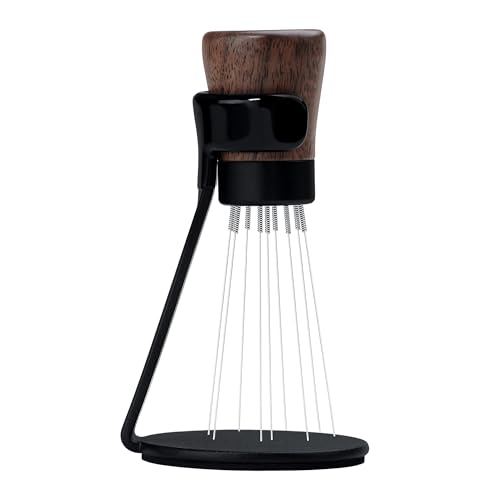
Normcore WDT Tool V2.1 with Stand, 9 Prong 0.23mm Espresso Distribution Too, Weiss Distribution Technique, Magnetic Coffee Stirrer with 16 Extra Needles, American Walnut Wood Handle, New Upgraded
Check Price
 #2
Also Consider
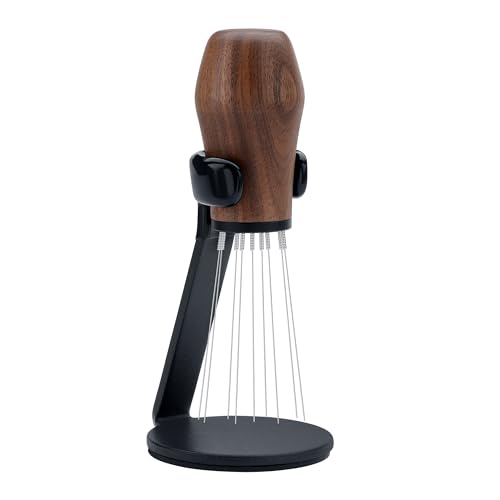
Normcore WDT Distribution Tool with Stand V3, Weiss Distribution Technique, 9 Prong Needle Espresso Stirrer, American Walnut Wood Handle
Check Price
 #3
Also Consider
Subminimal Flick WDT Espresso Distribution Tool - Retractable Needle Tamper
Check Price
Achieving a perfect extraction requires more than just a high-end grinder; it requires precise puck density to prevent channeling and uneven flow. The Weiss Distribution Technique (WDT), originally outlined by John Weiss in the mid-2000s, uses fine needles to break up clumps and ensure a uniform puck before tamping. In our professional evaluation of the best WDT tools for Fall 2026, we analyze how needle gauge, handle ergonomics, and base stability impact your shot consistency. Whether you are looking for a precision-engineered aluminum handle or a classic walnut finish, this guide will help you select the right tool to stabilize your shots and eliminate channeling.
⚡ Quick Answer: Best Wdt Tools
Best Overall: Normcore WDT Tool V2.1
- Fit
- Explore our top-rated WDT tools, ranging from professional-grade distribution tools to compact, retractable designs, to find the perfect fit for your espresso workflow.
- Price
- $23.69
- Maintenance
- Follow the manufacturer’s use and storage directions for this product.
- Tradeoffs
- Requires manual control for distribution; Includes 16 extra needles for maintenance
Table of Contents
Main Points
- Prioritize Needle Gauge: For effective clump disruption, use thin needles; while Decent Espresso utilizes 0.4mm needles in their protocol, Barista Hustle found that needles thicker than 1mm can be counterproductive to puck preparation.
- Evaluate Handle Ergonomics: Choose between the tactile grip of American walnut handles for a premium feel or the precision of CNC anodized aluminum for better control during vigorous stirring.
- Assess Base Stability and Compatibility: Look for magnetic docking bases or specialized stands that ensure your tool remains stable and organized on your countertop or portafilter.
- Check for Replaceable Components: High-quality tools, such as those from Normcore, include extra replacement needles to ensure long-term maintenance and prevent bent pins from ruining your workflow.
- Focus on Extraction Impact: To truly judge a tool, keep your dose, grind, and machine settings stable while monitoring how the tool affects flow rate, shot time, and taste consistency.
Our Top Picks
Affiliate disclosure: if you buy through these links, we may earn a commission at no extra cost to you.
Factors to Consider
Choosing the Right Needle Diameter
The diameter of the needles is a critical factor in effective puck preparation. For breaking up clumps and ensuring even distribution, look for tools with fine, thin needles. While different protocols exist, common industry references include needles in the 0.23mm to 0.4mm range. Avoid tools with needles thicker than 1mm, as these can be counterproductive to the distribution process.
Evaluating Needle Count and Configuration
The number of needles in a WDT tool can vary depending on the basket size and the desired distribution method. Some tools offer a fixed number of needles (such as 7 or 9), while others feature adjustable or removable configurations that allow you to customize the number of pins to suit your specific espresso setup. Consider whether you prefer a fixed professional-grade tool or a modular design that allows for easy maintenance and customization.
Considering Tool Design and Ergonomics
Since WDT involves manual stirring, the ergonomics of the handle are important for consistent control. Look for handles made from materials like anodized aluminum or wood that provide a comfortable, non-slip grip. Additionally, consider the storage and mounting options: some tools include dedicated stands for countertop organization, while others feature magnetic bases that can attach directly to your espresso machine to save space and maintain hygiene.
Maintenance and Build Quality
Because WDT tools are used in a coffee-making environment, durability and ease of cleaning are essential. Look for rust-resistant materials, such as 304 stainless steel, for the needles. If you choose a wooden handle, be aware that these typically cannot be cleaned with water and may require different maintenance than metal components. For tools with removable needles, check if the manufacturer includes replacement parts or specialized tools for easy assembly and disassembly.
Frequently Asked Questions
Does WDT actually improve espresso taste?
Yes, WDT helps address issues like channeling or shots running fast on one side by creating a more even puck density. By breaking up clumps, you achieve a more consistent extraction, which leads to a more repeatable flavor profile.
How many needles should a WDT tool have?
The number of needles depends on the diameter; thinner needles often require more points to cover the basket surface. For example, tools with 0.23mm needles may use fewer needles for full coverage, while thicker needles might require more to prevent gaps in the puck.
Why do I need to replace needles occasionally?
Over time, fine needles can become bent or lose their precision, which can negatively impact your puck distribution. Many high-quality kits include spare needles to ensure you can maintain consistent performance.
Can I use a WDT tool with any portafilter?
Most WDT tools are designed to be compatible with standard espresso baskets, but you should check the diameter of the tool relative to your basket size. Ensure there is enough clearance so the needles do not strike the sides of the basket during use.
Is WDT necessary if I have a high-end grinder?
While a great grinder reduces clumps, WDT can still help manage the remaining micro-clumps and ensure even distribution. It is a common practice to use WDT to achieve maximum consistency regardless of the grinder quality.
Conclusion
Achieving the perfect shot requires precision-engineered tools that eliminate channeling and ensure even puck density. For the most consistent results and premium build quality, the Normcore WDT Tool V2.1 with Stand is our top recommendation. It provides the perfect balance of fine needle precision and ergonomic stability for the serious home barista.


