

How to Choose the Right Espresso Tampers
As a barista dedicated to extracting the perfect shot, your tamper isn't just a tool—it's the foundation of your espresso quality. Consistent tamp pressure, a flat and level puck, and ergonomic handling all contribute to uniform extraction and rich flavor. Selecting the right tamper tailored to your workflow and equipment can significantly elevate your espresso game.
Our Top Picks
Affiliate disclosure: if you buy through these links, we may earn a commission at no extra cost to you.

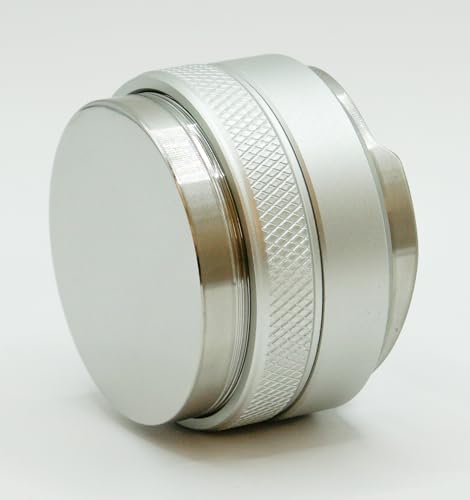
With a myriad of options—stainless, aluminum, wood handles; calibrated or standard tampers; various sizes and features—know that the ideal tamper aligns with your portafilter size, grip preference, and workflow. Let’s explore how to navigate these choices for optimal consistency and flavor in every shot.
Teyearlife espresso tamping station called Coffee Tamper Station Fit 51 to 54mm Espresso Accessories The tamper holder Or organizer station Adjustable Portafilters Stand Height (7 IN 1)
$35.77Check Price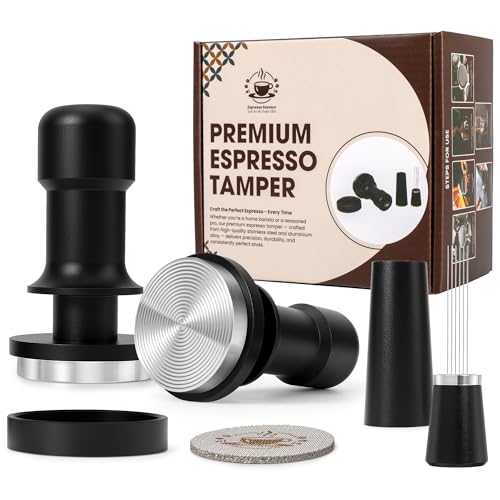
Table of Contents
- Understanding Tamper Types and Materials
- Importance of Tamp Pressure and Consistency
- Handle Ergonomics and Material Considerations
- Choosing the Right Size and Compatibility
- Additional Features: Calibrated Tampers, Puck Preparation Tools
- Practical Tips for Maintaining and Using Your Tamper
- Frequently Asked Questions
Understanding Tamper Types and Materials
Choosing between stainless steel, aluminum, or wood handles impacts not only the aesthetic but also the weight, durability, and grip feel. Stainless steel tampers are robust, corrosion-resistant, and often feel solid in hand. Aluminum tampers are lightweight, reducing fatigue during high-volume sessions, but may scratch more easily with daily use. Wood handles provide a warm, natural grip; however, they are generally less durable if not properly sealed, and can expand or crack with humidity fluctuations.
Meanwhile, the base of the tamper—commonly stainless steel—is critical for uniform pressure application. Flat bases ensure even compression across the puck, reducing channeling risks. Some specialty tampers feature slightly concave bases designed to match the typical puck shape, aiding in improving contact during distribution and tamping.
Importance of Tamp Pressure and Consistency
Applying consistent tamp pressure—typically between 30-40 pounds (13-18 kg)—is essential for uniform extraction. Variations lead to uneven water flow through the coffee bed, causing under or over-extraction. Baristas often develop a personal 'feel,' but incorporating a calibrated tamper can help standardize force application regardless of experience level.
Calibrated tampers feature internal mechanisms, such as springs or weights, that prevent applying less or more pressure without notice. They’re invaluable in high-volume settings or when training new baristas, as they promote reproducibility in shot quality.
Handle Ergonomics and Material Considerations
Handle ergonomics significantly influence tamping comfort and precision. A handle that fits comfortably in your hand minimizes fatigue and allows for controlled application of force. Rubber or textured grips offer slip resistance—they're especially useful in humid environments or for larger hands—while smooth handles have a sleeker appearance but might require a firmer grip.
Handle materials vary: stainless steel and aluminum are often designed with knurling or textured finishes to improve grip; wooden handles provide warmth and aesthetic appeal but can be less slip-resistant when wet. Ergonomic shapes—such as contoured or curved handles—also assist in delivering controlled tamp pressure with minimal hand strain.
Choosing the Right Size and Compatibility
Portafilter size is fundamental in tamper selection. Common sizes include 53mm, 58mm, and 58.3mm; ensuring your tamper matches your basket diameter is critical for flat contact and even tamping. An ill-fitting tamper might tilt, causing uneven puck compression, channeling, and inconsistent extraction.
For niche or custom portafilters, verify the exact diameter. Many tampers are available in multiple sizes, so measure carefully—using calipers for precision. Additionally, ensure the tamper’s handle height and weight distribution suit your workflow, especially if you tend to tamp quickly or need to switch between multiple machines.
Additional Features: Calibrated Tampers, Puck Preparation Tools
Calibrated tampers often include a spring mechanism or an internal sensor that 'clicks' or indicates when you’ve applied the specified pressure. This feature promotes consistency, especially in environments with multiple baristas or during training sessions.
Don't overlook puck preparation tools that work synergistically with your tamper—like distribution tools, WDT (Weiss Distribution Technique) tools, puck screens, and dosing rings. Properly distributed grounds and uniform tamping significantly improve shot quality by reducing channeling and promoting even water flow.
Practical Tips for Maintaining and Using Your Tamper
Regular cleaning of your tamper ensures longevity and consistent performance. Stainless steel bases can be wiped clean, but avoid abrasive cleaners that might scratch sensitive handles. Wooden handles should be occasionally sealed with food-grade finish to prevent moisture absorption. Aluminum handles may require gentle polishing to prevent corrosion.
When tamping, maintain a shoulder and elbow position that lets your wrist stay neutral. Applying steady, controlled pressure—rather than brute force—reduces variability. Incorporate your tamping in a consistent motion: grip, stabilize, apply downward force smoothly, then release. Over time, this consistency translates into more predictable extraction results.
Frequently Asked Questions
What size tamper should I get for my 58mm portafilter?
Always select a tamper with a 58mm base diameter for a precise fit. Double-check your basket's inner diameter with calipers to confirm.
Are calibrated tampers worth it for home use?
Yes, especially if you want consistent results, reduce shot variability, or are training others. They help develop a reliable tamping force, ensuring uniform extraction every time.
Can I use an aluminum tamper on a high-end espresso machine?
Yes, but ensure the handle material provides sufficient grip and comfort. Aluminum is lighter, which can reduce fatigue, but make sure it’s durable enough for frequent use.
What handle material offers the best grip in humid environments?
Rubberized or textured stainless steel handles provide the best grip when moisture is an issue, preventing slipping and ensuring consistent tamping force.
Is there a benefit to a concave base over a flat one?
Concave bases can help better match the puck shape, reducing tilting during tamping. However, flat bases are generally more versatile and easier to clean.
Do tampers affect shot quality more than grind or machine calibration?
A proper tamper enhances shot consistency and reduces channeling—an often overlooked factor. While grinding and machine calibration are crucial, tamper technique is the final step in ensuring quality extraction.
Choosing the right espresso tamper is a precise process rooted in understanding your equipment, workflow, and personal preferences. Focus on material durability, ergonomic comfort, size compatibility, and tamping consistency—these are the pillars of a great extraction. Next, test different options, develop your feel, and invest in tools that promote uniformity in every shot.


