

Top Wdt Tools For Everyday Use In 2026
🏆 Top Picks at a Glance
 #1
Product listing
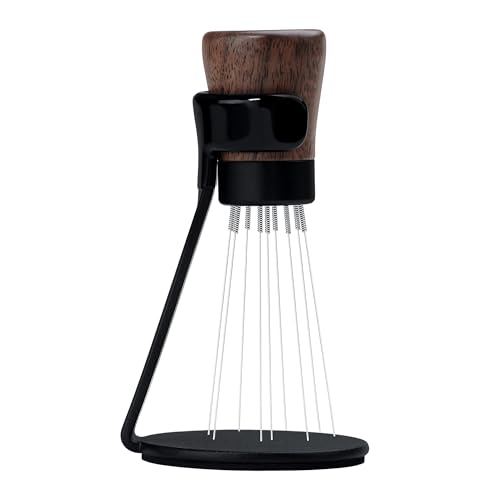
Normcore WDT Tool V2.1 with Stand, 9 Prong 0.23mm Espresso Distribution Too, Weiss Distribution Technique, Magnetic Coffee Stirrer with 16 Extra Needles, American Walnut Wood Handle, New Upgraded
Check Price
 #2
Also Consider
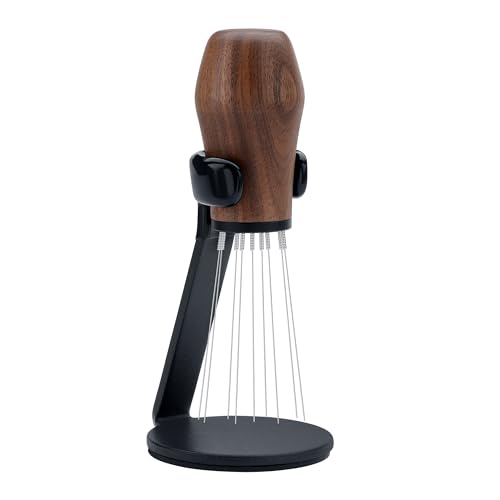
Normcore WDT Distribution Tool with Stand V3, Weiss Distribution Technique, 9 Prong Needle Espresso Stirrer, American Walnut Wood Handle
Check Price
 #3
Also Consider
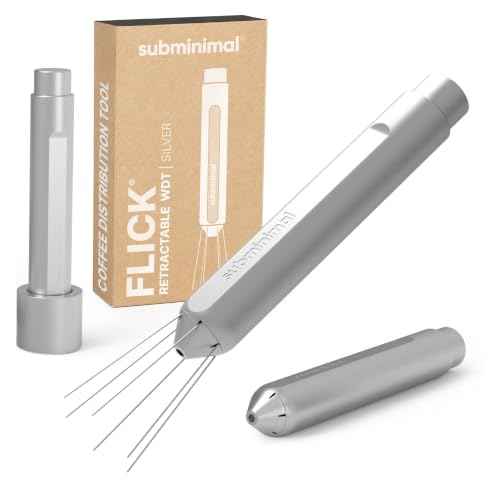
Subminimal Flick WDT Espresso Distribution Tool - Retractable Needle Tamper - Silver
Check Price
Achieving a perfect extraction requires more than just a high-end grinder; it requires managing the variable of puck density to prevent channeling. The Weiss Distribution Technique (WDT), originally outlined by John Weiss in a 2005 forum post, uses thin needles to break up clumps caused by electrostatic charges to ensure a uniform puck structure. Whether you are looking for a premium "auto/spiro" tool for repeatable consistency or a manual tool for cost-effective workflow, choosing the right needle gauge and handle ergonomics is critical for professional-level results at home. This guide evaluates the top WDT tools of 2026 to help you eliminate channeling and stabilize your shots.
⚡ Quick Answer: Best Top Wdt Tools
Best Overall: Normcore WDT Tool V2.1
- Fit
- Considering Normcore WDT Tool V2.1? Check the listed specifications against your requirements before choosing.
- Price
- $23.69
- Maintenance
- Follow the manufacturer’s use and storage directions for this product.
- Tradeoffs
- Includes 16 extra needles for maintenance
Table of Contents
Main Points
- Prioritize needle diameter for effective clump disruption; thinner needles, such as the 0.23mm used in the Normcore V2, are superior for breaking down fine particles without causing excessive agitation.
- Evaluate handle materials and ergonomics, choosing between premium wood for tactile control or anodized aluminum for durability and ease of cleaning.
- Consider the impact of tool design on workflow, where "auto" or spirographic tools offer highly repeatable, guided distribution to reduce human-variable side effects during back-to-back shots.
- Ensure compatibility with your current setup, specifically checking if the tool includes a magnetic docking base or a stand to maintain a clean, organized espresso station.
- Look for adjustable or replaceable needle configurations to allow for easy maintenance and the ability to customize the tool to different grind profiles or basket sizes.
Our Top Picks
Affiliate disclosure: if you buy through these links, we may earn a commission at no extra cost to you.
Factors to Consider
Frequently Asked Questions
What is the purpose of WDT?
WDT uses thin needles to break up clumps in ground coffee to create even puck density. This prevents channeling, where water bypasses dense areas to find easier paths through the puck.
Why do coffee grounds clump during grinding?
Clumping is caused by friction during the grinding process, which generates electrostatic charges that bind fine particles together. This is especially common with finer grinds and certain roast profiles.
sHow do I prevent channeling in my espresso shots?
Using a WDT tool helps redistribute particles to create a uniform structure before tamping. This ensures that water is distributed evenly across the puck under 9 bars of pressure.
Should I look for specific needle sizes?
Yes, thinner needles are generally better for breaking up fine particles without causing massive shifts in the puck. Many professionals look for gauges around 0.23mm to 0.35mm for optimal results.
How often should I replace WDT needles?
Needles can bend or lose their shape over time due to contact with the basket or dosing funnels. It is wise to choose a tool that includes spare needles or has easily replaceable components.
Does the handle material matter for WDT?
Handle material affects ergonomics and the weight of the tool during the distribution process. Materials like walnut offer a premium grip, while aluminum is often more lightweight and easy to clean.
Conclusion
Choosing the right distribution tool is the simplest way to eliminate channeling and achieve professional-level shot consistency at home. For those seeking the perfect balance of precision, durability, and ergonomic design, the Normcore WDT Tool V2.1 with Stand is our top recommendation. Its ultra-thin 0.23mm needles and stable magnetic base make it an essential asset for any serious espresso workflow.


